
Alzheimer's & Dementia Care · Westland

Alzheimer's and Dementia Care at Home in Westland, Michigan

We bring patient memory care into your parent's own Westland home, with one familiar caregiver and a gentle daily routine. One short call gets it going this week.

Part- or full-day installs · typical timeline
Free Quote

Free Alzheimer's & Dementia Care quote.

We reply within 1 business hour. No spam, ever.

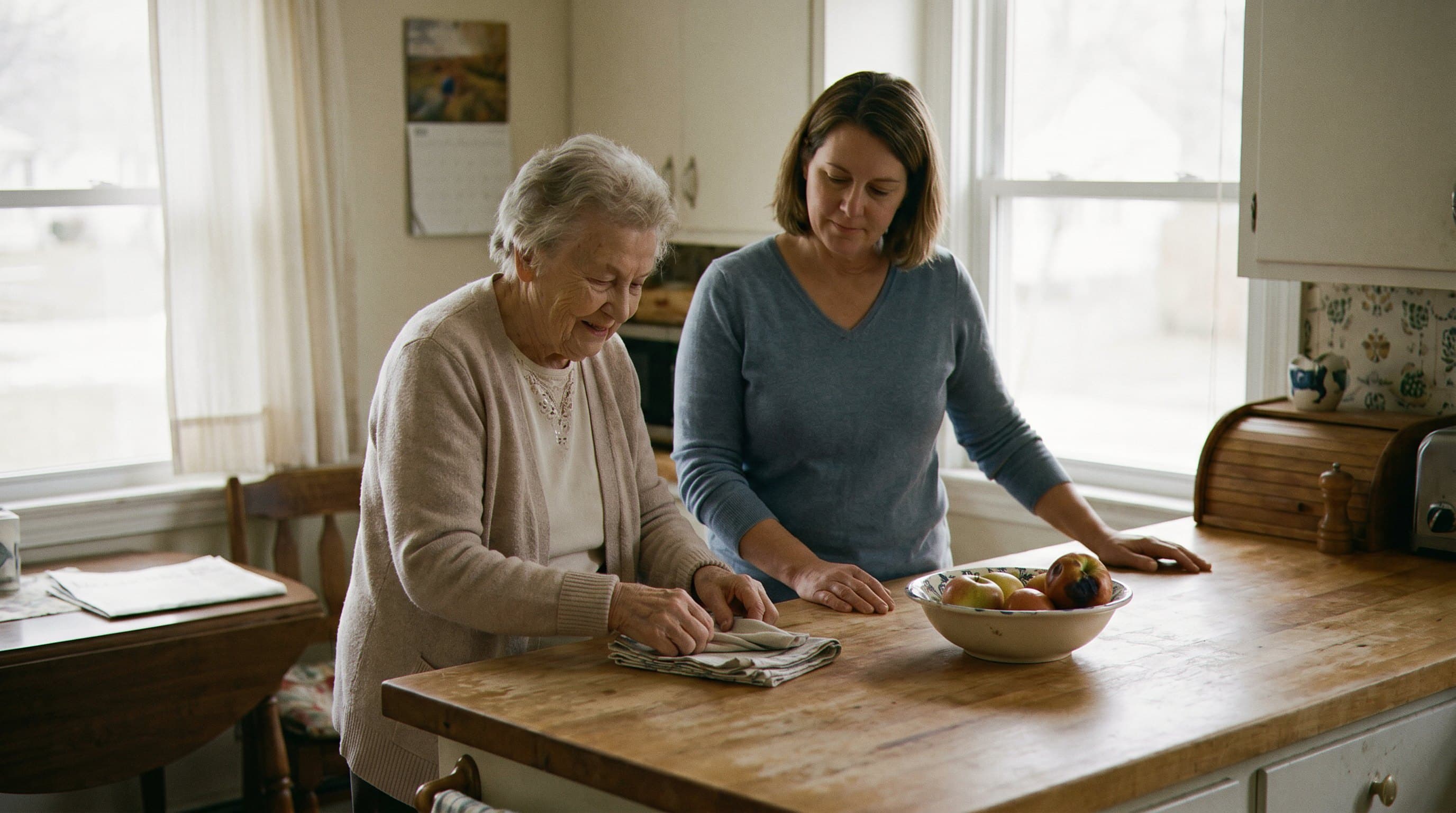
Elder settled in reassuring kitchen environment
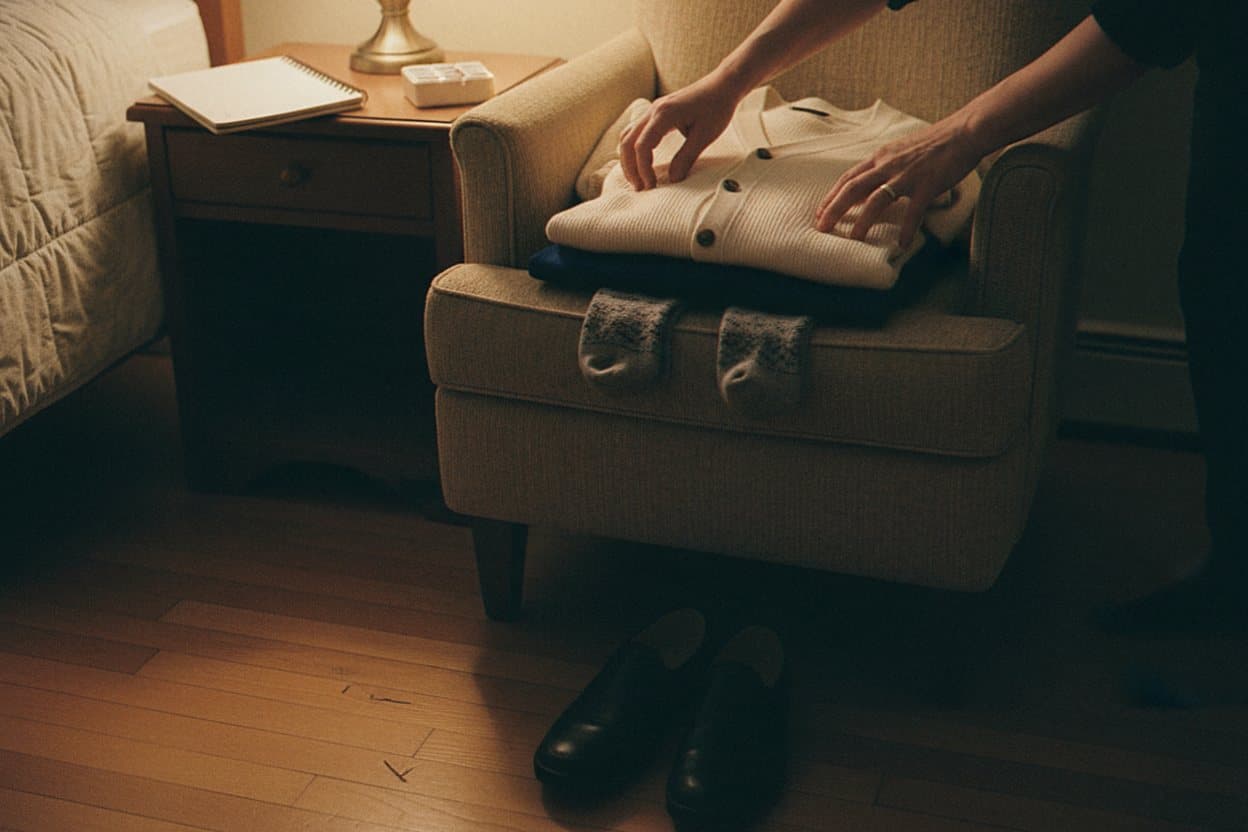
Daily routine items organized for clarity
What we install

Memory Care That Keeps Your Parent Calm and at Home

When a parent begins to lose track of the day, the change frightens everyone who loves them, and the fear shows up at the strangest hours. They may forget a grandchild's name. They may leave the kettle on the burner, or grow restless and pace the hall once the sun drops low and the rooms begin to dim. Dementia keeps no clock. It never takes a day off, and it rarely warns you before a hard moment arrives. We bring patient memory care into your parent's own Westland home, so they can stay right where the walls still feel safe and known. The same hallway, the same soft chair, the same view out the front window, all of it steadies a mind that has started to slip. Our caregivers study the little habits that ease a rough hour, and they return again and again until those habits are second nature. Should the need ever outgrow memory care, the rest of our in home care sits one short call away.

We build the day around the routine, because a calm rhythm soothes a frightened mind better than anything else we know. We learn the hours your loved one wakes, the songs that settle them, and the long stretch of afternoon that tends to fray. Then we shape each visit to fit. One steady caregiver returns every time, so a tender memory is never asked to greet a stranger at the door. When the same question loops back for the ninth time, we answer it kindly once again, the way we did the first time. We turn worry aside before it climbs. After every visit we leave you a plain note, so you always know how the hours truly passed and what to watch for next.

  • A gentle daily rhythm that holds your parent steady from the first light of day into the quiet evening hours.
  • The same caregiver at every visit, so a fragile memory never has to face an unfamiliar person at the door.
  • Soft redirection when the same fear or question keeps circling back through the day.
  • A safer home, with the stove watched, the doors minded, and a fall caught long before it happens.
  • Patient comfort through sundowning, when the fading light stirs up the most fear and restlessness.
We keep one trusted caregiver and one calm routine in place, so your parent feels safe from morning to night.

We live right here near Westland. So we know the long Michigan winters that pen an older adult indoors for months on end, and we know how quickly a settled afternoon can slide into panic when the light dies early and the rooms turn gray. Because we are local, a true neighbor answers when you call, and a caregiver can reach your door this week rather than next month. We are not a faraway phone bank reading from a script. We are people from your own town who learn your loved one by heart and keep showing up.

Facing memory loss alone wears a family down, and you were never meant to carry the whole weight of it by yourself. Call us today. Tell us how the days unfold, and we will show you how care can begin in Westland this week.

Materials

The Best Tools Are Patience and a Steady Plan

Families often ask which gadgets and alarms they need to buy for memory care. The truth tends to surprise them. Very little of that hardware matters at all. A calm, clear home does far more good than any device sitting on a shelf. We keep the rooms plain and the walkways open. We set out the old photographs and the music that bring your parent comfort, and we mark a few doors so the house feels less like a puzzle to a tired mind. The whole goal is a home that quiets fear instead of feeding it, and that goal asks for thought, not money.

The real tools are patience and a plan, and patience always leads. We catch the first signs of a rough patch early. A tug at a sleeve, more pacing across the floor, a sudden sharp word, we read them and we step in before the moment grows. We guard against the usual hazards too, the burner left on, the front door left open, the slick back step in the cold. Plans this simple head off most of the frightening moments we meet inside Westland homes, and they cost almost nothing to put in place. The work is steady attention, day after day.

  • A calm, plain home with simple signs and clear paths
  • Old photos, favorite songs, and a worn quilt to ease worry
  • A steady eye on the stove, the doors, and the winter cold
  • One trusted caregiver who reads the early warning signs
What about the alternatives?

Ways Families Weigh Memory Care

Most families turn over a few paths once memory loss sets in. Here is an honest look at how the common choices stack up for a Westland family weighing what comes next.

Memory care at home

Your parent keeps the familiar home that anchors a slipping memory, and one caregiver learns the whole routine while quietly guarding against the daily dangers that fill a house. It is the gentlest path for most.

Recommended

Family handles it alone

The love runs deep. Family care can hold for a season, yet memory care never clocks out, and the exhaustion sets in fast when no one in the house ever gets a true rest from the watching.

Acceptable

Memory care facility

A locked building can help in the late stages. The move itself, though, often unsettles a confused mind and strips away every familiar cue the very week your parent needs those cues the most.

Acceptable

Adult day program

A few set hours at a day program give the family room to breathe. The evenings, the nights, and the worst of the sundowning hours still stay uncovered back at home, where they hit hardest.

Acceptable

Nursing home

A nursing home is built for heavy medical needs, not for memory care. A parent who mainly needs watching can wind up overmedicated and far from the home they love, surrounded by strangers.

Skip

No help at all

Leaving a confused parent alone asks nothing of anyone today. It also invites the stove left burning, the slow wander out the front door, and the bad fall that ends a quiet evening in a hospital bed.

Skip
How it goes

From quote to walk-on, fast.

01

Your inquiry

Call or send the short form with what is going on at your place. A sentence or two is plenty for the first step.

02

We talk it through

We go over the situation on the phone, ask the questions that matter, and tell you what we would do next.

03

A clear plan

You get a plain-language rundown of the work, the order it happens in, and what to expect on the day.

04

The work gets done

Our crew shows up when we said, does the job, and walks you through the result before leaving.

Before you book

Worries We Hear, Answered Plainly

Letting a caregiver into a parent's home raises real fear. Here are honest answers to the questions Westland families bring us most before memory care begins.

Will a new person frighten my mom more?
It is a fair worry, and we plan for it from the first day. We never hurry. The same caregiver comes each visit, moves slowly, and lets your mom lead the pace through every step. Inside a week or two, that face stops being a stranger and quietly turns into the best part of her day.
What if my dad gets angry or upset?
Anger in dementia almost always grows out of fear or confusion, not real temper. We do not argue. We do not correct him or insist he is wrong. We stay calm, change the subject, and gently steer toward something he loves, and the storm tends to pass far faster than you would ever expect.
Can you handle wandering and sundowning?
Yes. Those are the very hours we plan around the hardest. We keep the doors minded and the paths clear, and we fill the late afternoon with calm, familiar things long before the worry can take hold. A steady routine dulls the sharpest edge of both.
How fast can memory care start in Westland?
Often within a few days. We open with a free visit to learn your loved one and walk the home, then we shape the plan and match the right caregiver. When the need is urgent, just say so, and we move as fast as we safely can to get someone there.
Will it truly be the same caregiver each time?
That is the core of how we work. We match one caregiver to your loved one and we protect that match. A familiar face is the single greatest thing that keeps a person living with dementia calm, settled, and at ease.
What if my mom does not think she needs help?
Very common, and we never push. The first visits look like plain company, a cup of tea and a chat, not care at all. As trust grows, your mom lets us help with more, and before long it starts to feel like an old friend lending a hand.
Aftercare

How We Keep the Care Steady

Dementia shifts across months and years, so the care has to move right along with it. We never set a plan once and then walk away. We watch for the changes, we talk them through with you, and we adjust the hours, the routine, and the level of support as your parent moves from one stage into the next. The aim is simple. We want the care to grow quietly beside the need, so your family never has to scramble to catch up when a hard week arrives.

  • We refresh the care plan as the dementia moves through its stages
  • We tell you how each visit went, the calm parts and the rough ones
  • A real person answers the phone, day or night
  • We add hours or overnight help as the memory loss deepens
  • We fold in steady personal care if bathing and dressing grow harder
  • We keep the same caregiver so the routine never has to reset
Elder settled in reassuring kitchen environment
FAQ

Questions Westland Families Ask About Memory Care

What is the difference between personal care and companion care?
Personal care is direct help with the body, things like bathing, dressing, grooming, and safe moves from bed to chair. Companion care is about the day itself, with conversation, meals, errands, and a friendly face so the hours feel less empty. Many families start with companion care and add personal care later as needs grow. We handle both, and we shift the mix as your loved one changes.
How soon can in home care begin for your family member here in Westland?
In home care can usually begin within a day or two of your first call. We come out, talk through what the day needs, and build a simple care plan with you. If the need is urgent, like a parent coming home alone after a fall, we move faster and find a way to cover it. One call to us gets the clock started.
Does in home care work alongside hospice or home health nursing?
Yes, in home care fits right alongside hospice and home health nursing. They handle the medical side, the orders, and the clinical visits, while we cover the daily comfort, the bathing, the meals, and the long hours in between. We work with your team, never around them. We keep a written log so everyone stays in step.
Can you provide care after a hospital discharge when my parent comes home?
Yes, this is one of the most common reasons families call us. We can meet your parent at discharge, bring the new instructions home, and keep the medicine on schedule from the first night. We help with bathing, slow walks to rebuild strength, and rides to every follow up visit. We also watch for warning signs and call the nurse before a small problem grows.
How do you match a caregiver to my loved one?
We start by learning your loved one as a person, their routine, their temperament, and the kind of help they actually want. Then we pick a caregiver whose pace and personality fit, not just whoever happens to be free that day. Good in home care rests on that match, so we protect it and keep the same caregiver coming. If the fit is not right, we will say so and adjust.
Ready when you are

Let's make your next steps easier

Tell us what is going on at your Westland home and we will walk you through the options. One call or one short form is all it takes.

Call (734) 789-6008Make your inquiry
CallContact us